 Xcotton
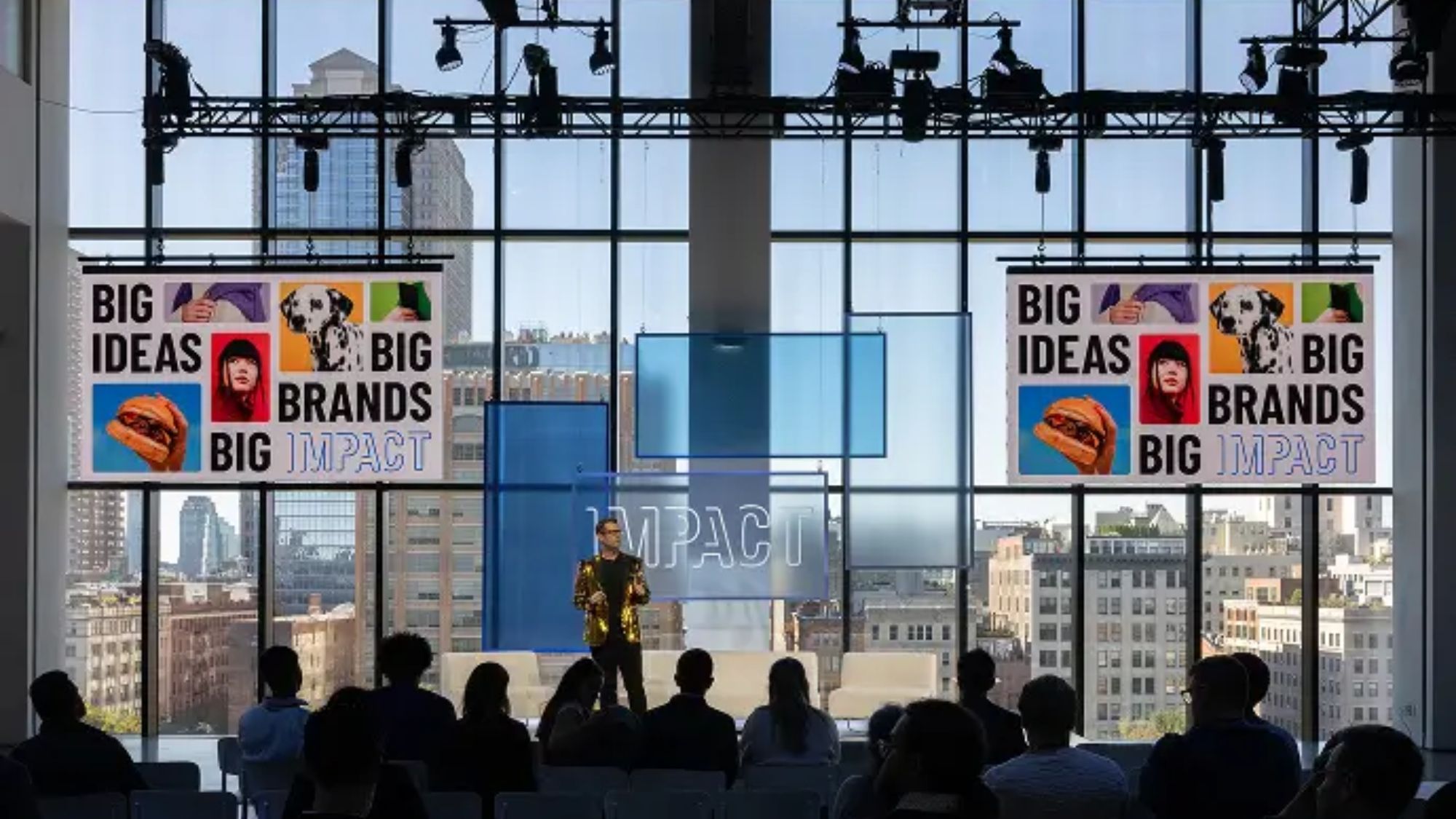
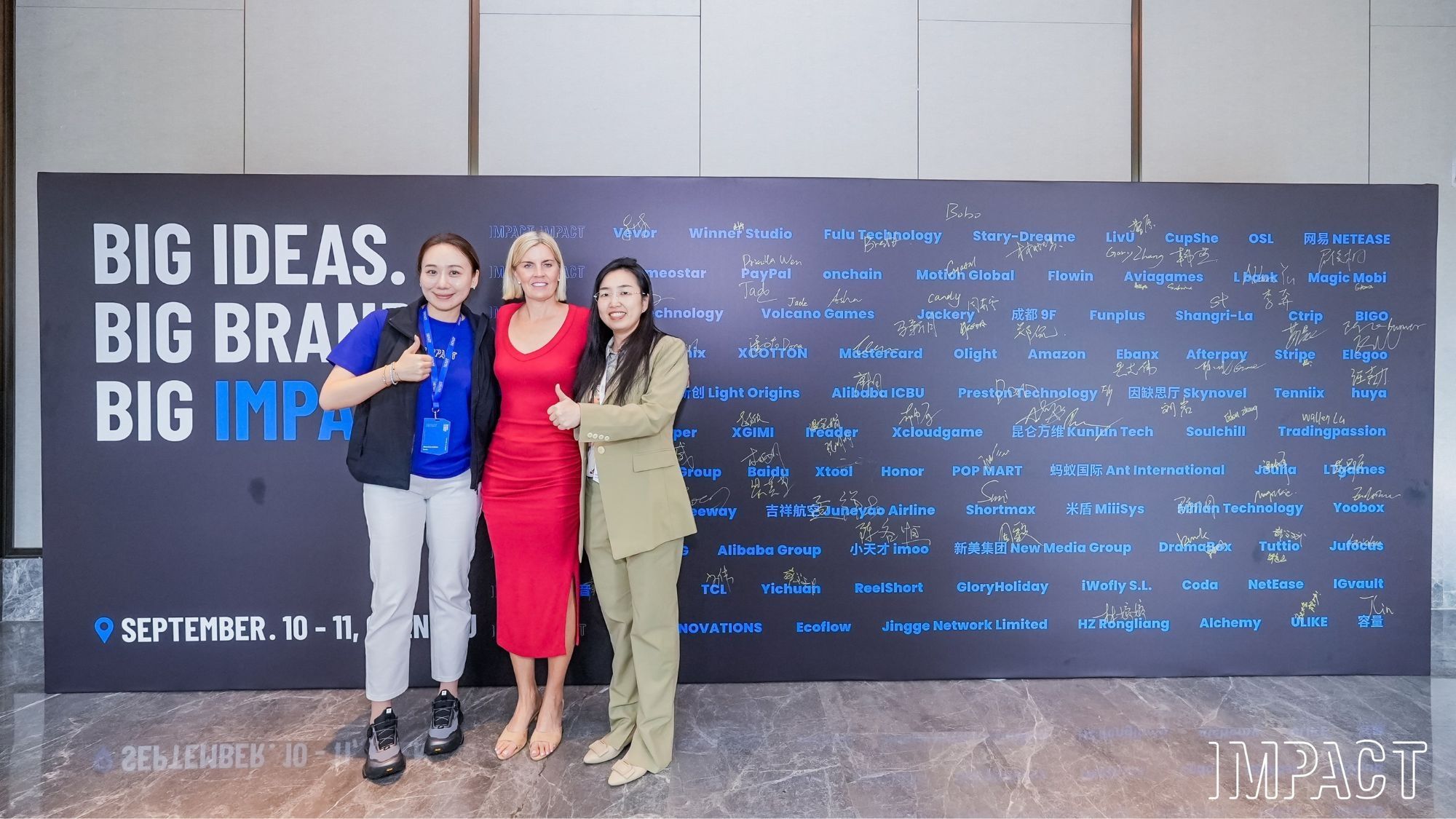
We were excited to join Forter IMPACT at the invitation of Forter, alongside 100+ leaders from brands, partners, and across the digital commerce ecosystem.
As a Forter partner, Xcotton was glad to be part of a day focused on some of the biggest questions facing commerce today: How will AI change the way people shop? What happens when AI agents start making decisions on behalf of consumers? And as commerce becomes faster and more automated, how can businesses continue to build trust?
At the same time, consumers still expect the basics: a smooth experience, reliable delivery, easy problem resolution, and confidence that a brand will be there when something goes wrong.
Here are five takeaways we took away—and what they could mean for the future of commerce.
1. Agentic commerce is moving from an idea to a real commerce channel
One of the biggest themes at IMPACT was agentic commerce: the shift from consumers directly managing every step of a purchase to AI agents helping—or eventually handling—more of the shopping journey
Forter has reported seeing a significant increase in websites where AI agents are browsing, highlighting how quickly this behavior is emerging.
For years, brands have optimized their websites around human behavior: navigation, product pages, checkout flows, promotions, and customer service. But when an AI agent becomes part of the journey, the interaction can look very different.
That means merchants may need to think beyond “How do we make our website easier for people to use?” The question becomes “How do we make our commerce experience understandable and trustworthy for both people and machines?”
This could affect everything from product data and discovery to checkout, payments, fraud prevention, fulfillment, and post-purchase service. Agentic commerce isn't simply another acquisition channel. It has the potential to reshape how commerce infrastructure works underneath the customer experience.
Xcotton and Forter
2. As AI becomes more autonomous, trust becomes infrastructure
When a human is making a purchase directly, merchants have access to familiar signals: browsing behavior, account activity, device information, payment information, and other contextual signals. When an AI agent acts on behalf of a consumer, some of those signals can become less visible or fragmented.
This creates a new challenge: How does a merchant know who or what is actually behind an interaction?
Forter has described this as a shift toward identity-based trust in agentic commerce. Its work on trusted agentic commerce focuses on connecting the identity of the agent with the consumer behind it, so merchants can make decisions without losing visibility or control.
As more parts of commerce become automated, trust cannot remain a manual checkpoint added at the end of a transaction. It needs to be embedded into the infrastructure.
That means trust needs to exist across more moments:
- When a customer creates an account
- When an order is placed
- When a payment is authorized
- When an order is shipped
- When a customer requests a return
- When a refund is issued
- when a customer comes back to buy again
The more automated commerce becomes, the more important these underlying trust layers become.
3. Fraud is evolving alongside better customer experiences
Another important theme was the tension between reducing friction for legitimate customers and controlling fraud and abuse.
Forter recent fraud research, for example, highlights the continued role of coordinated fraud rings and account takeovers in ecommerce. Its research also points to the emergence of AI-enabled fraud as merchants increasingly adopt AI-driven commerce.
This creates a difficult balancing act. Merchants need to balance convenient returns, fast refunds, and low-friction checkout with effective fraud controls.
However, the industry is moving toward a more contextual approach: use technology to identify risk while allowing trusted customers to move through the experience with as little friction as possible.
This distinction matters because customer experience and fraud prevention are often treated as opposing goals. They don't have to be.
The better question is whether merchants can use better data, identity intelligence, automation, and risk decisioning to protect the business without making every customer pay the price for the behavior of a few bad actors.
4. Growth and trust need to work together
For ecommerce brands, growth has traditionally been closely associated with acquisition. More traffic, advertising, conversions, and customers. Once a customer has placed an order, the brand still has to deliver the experience it promised. That includes what happens after checkout: shipping, delivery, returns, refunds, support, and issue resolution.
This is where the relationship between growth and trust becomes particularly important.
A customer may have a great experience on a product page and a seamless checkout—but if the package arrives damaged, gets lost, or is significantly delayed, that positive experience can quickly disappear.
The post-purchase experience can influence whether a customer feels comfortable buying from the brand again. This is particularly important as customer acquisition becomes more competitive. If a brand spends heavily to acquire a customer but loses that customer because a delivery problem was handled poorly, the cost of acquisition becomes much harder to justify.
That makes retention, customer satisfaction, and post-purchase experience increasingly important parts of sustainable growth.
In other words: Growth gets customers through the door. Trust gives them a reason to come back.
5. The future of commerce extends far beyond checkout
The customer journey doesn't end when a payment succeeds. It continues through fulfillment, delivery, product use, returns, support, and the customer's next interaction with the brand.
The package is delayed. The product arrives damaged. An item is missing. A customer needs to return something. A warranty issue appears months after purchase. These moments are often treated as exceptions. But from the customer's perspective, they're part of the experience.
And increasingly, technology is being used to make these moments faster and easier to manage. This is where we see an important connection between the discussions around trust, fraud, AI, and post-purchase experience.
The future of commerce won't only be about making transactions faster. It will also be about making the entire journey more reliable.
What this means for merchants
The discussions at Forter IMPACT point to a broader shift in how merchants may need to think about their technology stack. That could mean asking:
Can customers discover products easily?
Can AI agents understand the products, policies, pricing, and availability clearly enough to recommend them?
Can merchants identify trusted interactions?
As more commerce becomes automated, can businesses distinguish legitimate customers and agents from fraudulent activity without creating unnecessary friction?
Can brands protect revenue after checkout?
When something goes wrong with an order, can the merchant resolve the issue quickly while controlling costs and abuse?
Can the experience encourage customers to come back?
Trust isn't built through one successful transaction. It is built through consistent experiences over time.
From trusted transactions to trusted experiences
Our biggest takeaway probably it's about creating the infrastructure that allows businesses to move faster with confidence.
AI may change how customers discover and purchase products. New technologies may change how merchants manage risk. Automation may make more parts of the journey invisible. But one thing remains constant: customers still expect brands to deliver on their promises.
At Xcotton, that's the part of the journey we're focused on. Post-purchase is where trust is tested in real life. When an order is delayed, damaged, lost, or needs to be returned, the way a brand responds can shape what happens next.The future of commerce may be increasingly autonomous, but the customer experience still needs to feel human.
And as technology continues to transform how people—and machines—shop, trust will remain one of the most important foundations for sustainable growth.