 Xcotton
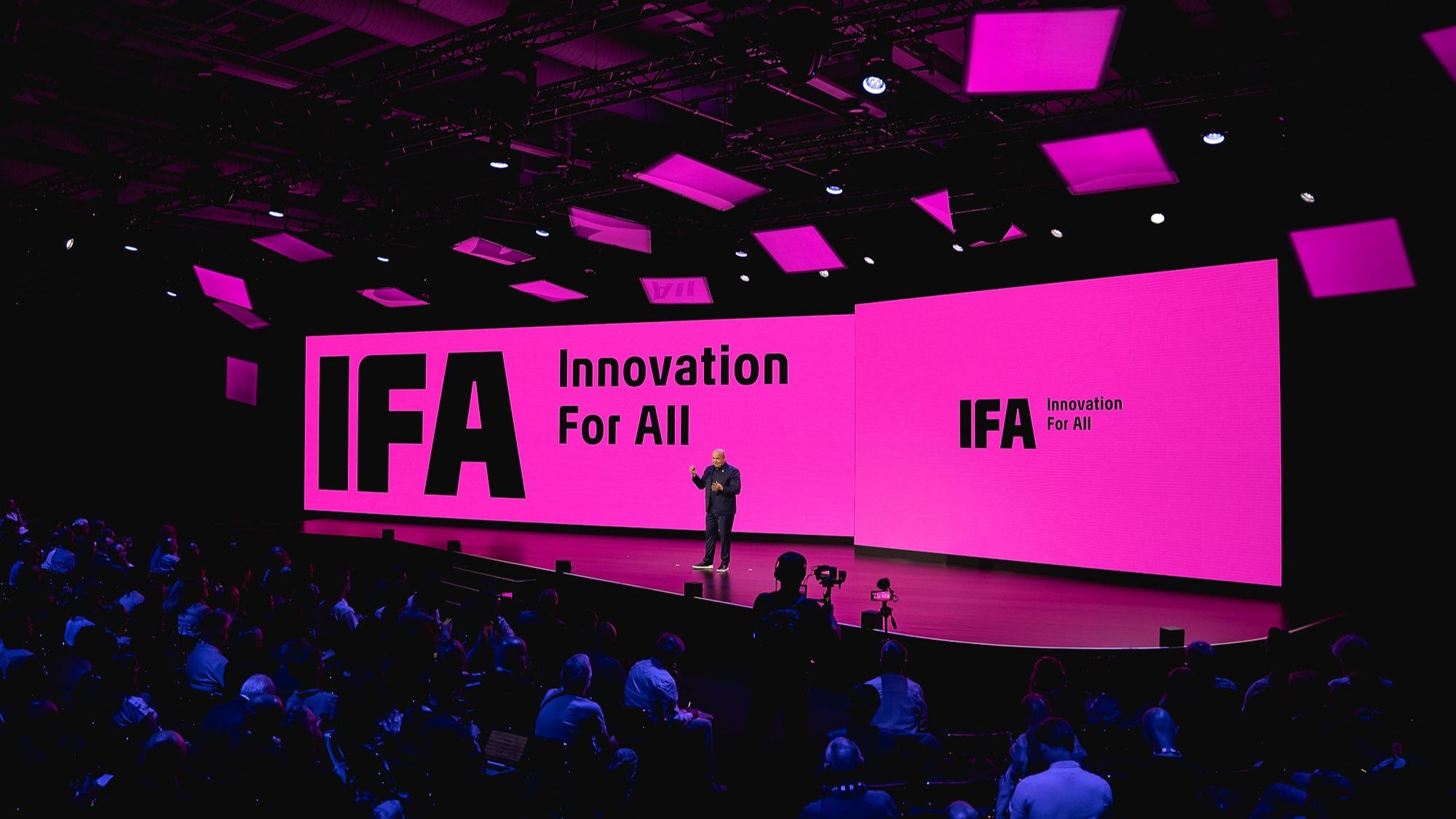
IFA is always full of big screens, smart appliances, robots, and ambitious product claims. But the most interesting question isn't simply what companies are launching. It's what these products tell us about where technology is heading next.
Walking through IFA 2026, a few patterns stood out. Technology is becoming more intuitive, compact, autonomous, and increasingly woven into everyday life. And as products become smarter, expectations around the entire customer experience are changing with them.
Here are five takeaways that stood out.
AI is moving from a feature to a system
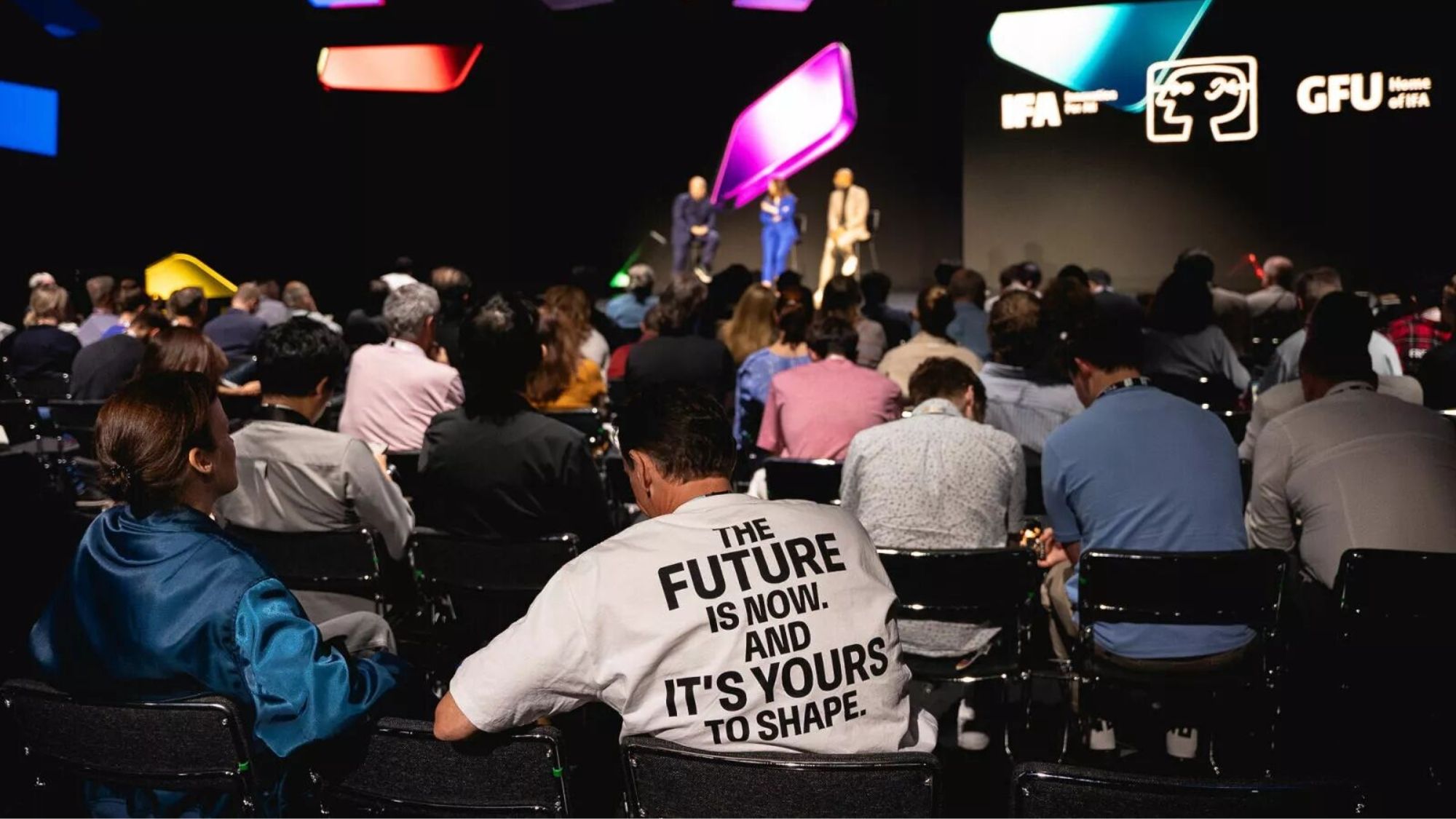
For years, “smart” products largely meant individual devices with their own apps, settings, and voice commands. At IFA 2026, the more interesting direction was toward technology that connects those individual pieces and takes on more of the coordination itself.
A good example was Midea Smart Master, an AI-powered home ecosystem designed to connect appliances across the home. Instead of opening different apps or manually controlling individual machines, users can speak naturally to the system and let it interpret their needs.
Midea says Smart Master supports 140 languages, with an 8-meter voice-recognition range and a 0.4-second response time. Voice entry points are built into appliances including air conditioners, refrigerators, and ovens.
The more important idea isn't the specification sheet. It's the change in interaction. The goal of a truly smart home isn't to give people more devices to manage. It's to give them fewer things to think about.
The direction is clear: AI is moving from “What can this device do?” to “What can the system do for me?”
Technology is getting smaller without giving up capability
Miniaturization has always been one of the quiet drivers of consumer technology. But at IFA, the interesting part wasn't simply making devices smaller. It was fitting more capability into less space.
JLab's JBuds Mini ANC is a good example. The compact true wireless earbuds combine active noise cancellation with Apple Find support, showing how features once associated with larger or more premium hardware are increasingly being squeezed into smaller devices.
This matters because consumers don't necessarily want technology to take up more space. They want technology to do more while asking for less physical and mental space in return.
It's a subtle shift, but an important one: the future of consumer technology may not always look bigger or more powerful. Sometimes, it simply becomes easier to carry, wear, and live with.
Smart technology is moving into everyday care
Some of the most interesting uses of AI and connected technology aren't about productivity or entertainment. They're about taking better care of the things people already care about.
Kodak Smart Feeder is one example. It combines a camera and microphone with monitoring and automated feeding functions. The system can detect barking, send alerts, dispense food, and schedule feeding.
On the surface, it's a smart pet feeder. But the larger idea is more interesting. The product turns a basic household object into a way of staying connected to a pet when the owner isn't
there.This is part of a broader transition from automation to awareness.
Technology doesn't necessarily need to take over an entire task to be useful. Sometimes its value comes from helping people know what's happening, respond at the right moment, and feel more confident when they're away.
We're likely to see more of this across the home: technology that quietly monitors, understands, and helps without constantly demanding attention.
Cameras and robots are becoming more autonomous
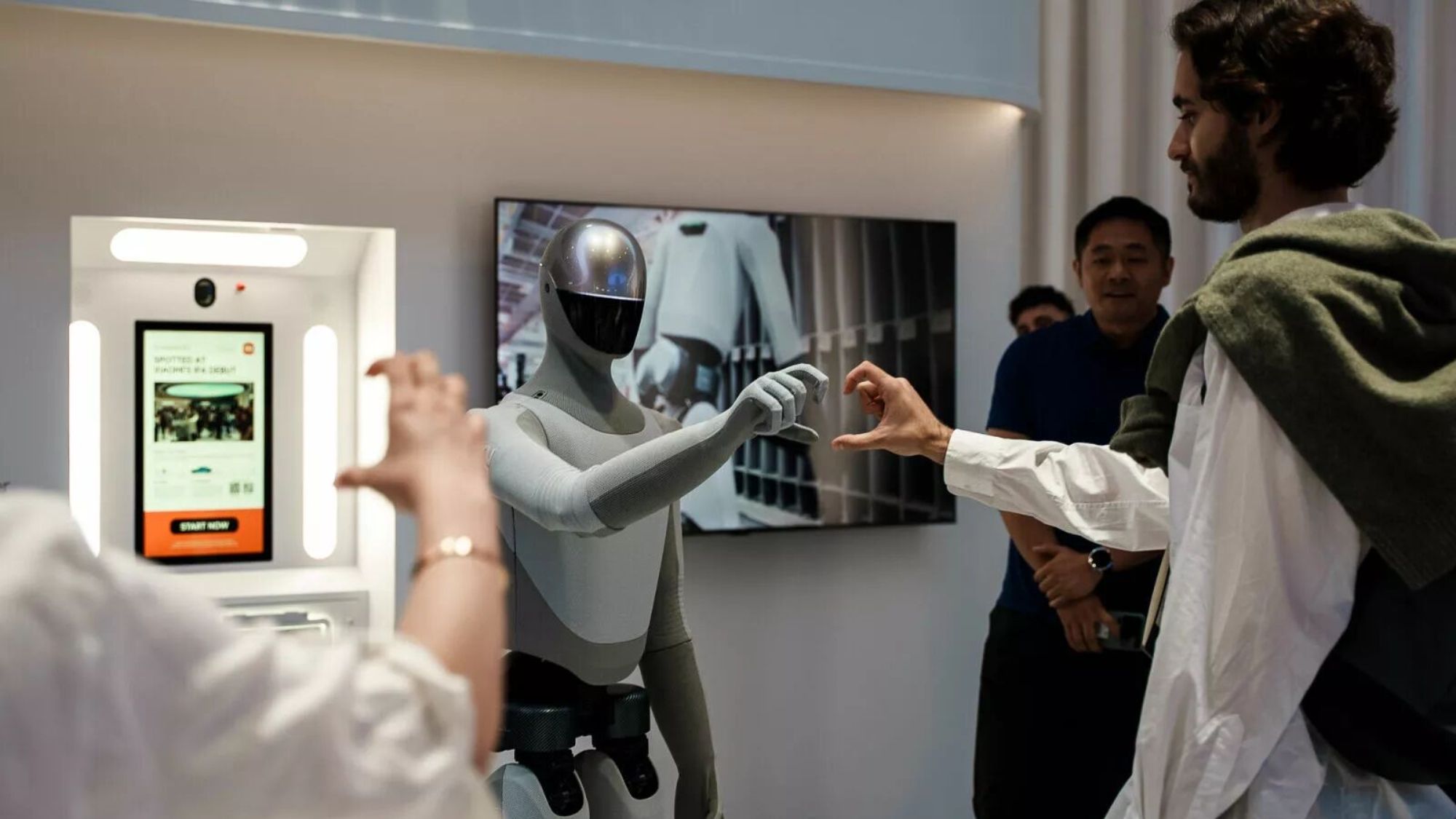
Another clear trend at IFA was the convergence of hardware, AI, sensors, and autonomous movement.
HoverAir Versa is an interesting example because it combines a stabilized camera system with a flying drone that can follow and track the user. That changes the relationship between the camera and the person using it. Instead of asking someone else to film you—or constantly operating the camera yourself—the device can become an active participant in capturing the moment.
A different example comes from Anker Eufy Robot Lawn Mower S2 Max, which is designed to handle outdoor lawn care autonomously, including navigating slopes.
The two products are completely different, but they point toward the same direction: machines are becoming better at understanding their surroundings and acting within them.
That distinction matters. A robot operating in a controlled environment is one thing. A robot navigating an uneven lawn is another. A camera that records is useful; a camera that can understand where its subject is and move itself accordingly is a different kind of tool.
The next phase of robotics isn't simply about automation. It's about making machines capable of operating in the messy, changing environments where people actually live.
The best innovation solves the problem users actually have
IFA is full of impressive specifications. But some of the most compelling innovations solve problems that users immediately recognize.
AWOL Lux Vision ultra-short-throw projector is a good example. A 150-inch 4K image is certainly impressive. So is 120 Hz refresh rate and the claimed 6,000 ISO lumens. But the feature that stood out most was something less glamorous: optical lens shift. Ultra-short-throw projectors sit very close to the wall, which means even a small positioning change can move the image significantly. Traditionally, fixing that might mean moving the projector, repositioning the cabinet or screen, or relying on digital correction.
AWOL is positioning Lux Vision's vertical optical lens shift as a way to move the image optically without physically moving the projector, cabinet, or screen. That's a small detail with a very practical implication.
The innovation isn't simply about creating a bigger or brighter picture. It's about making a 150-inch cinema easier to live with. That same principle appeared across IFA: the strongest products weren't necessarily adding the most features. They were removing friction.
The common thread is simple: Good technology doesn't just add capability. It makes something easier.
What this means for the future of commerce
These trends also reveal something important beyond the products themselves. As technology becomes more intuitive, autonomous, and integrated into everyday life, consumers naturally expect more from the brands they buy from.
A product that understands what you need sets a higher expectation for the rest of the customer experience. A device that removes friction makes other unnecessary steps feel even more frustrating. And when products become increasingly personalized, connected, and valuable, customers have more reason to expect brands to stand behind the experience after checkout—not just until the package arrives.
That's where the next opportunity for commerce lies. The purchase is no longer the end of the customer journey. It's the beginning of the experience.
At Xcotton, that's the part of the journey we're interested in: what happens when technology can't prevent something from going wrong, but can make the recovery easier?
From lost or damaged packages to delivery delays and product issues, post-purchase protection can give customers a softer landing when the unexpected happens. Because the future of commerce isn't only about creating smarter products. It's about creating better experiences around them—from checkout to whatever comes next.
Final takeaway
IFA 2026 showed that the future of technology isn't necessarily about making everything more complicated or more futuristic. It's about making technology: More intuitive, more compact, more caring, more autonomous. And ultimately, more useful.
The most exciting innovations may not be the ones that ask us to learn something new. They may be the ones that quietly make everyday life work better.