 Xcotton
Insights from Estée Lauder and Ulta Beauty at Shoptalk Nashville.
Retailers have spent years investing in ecommerce, physical stores, social commerce, fulfillment, and customer loyalty. But a more important question is emerging: how well do these investments work together?
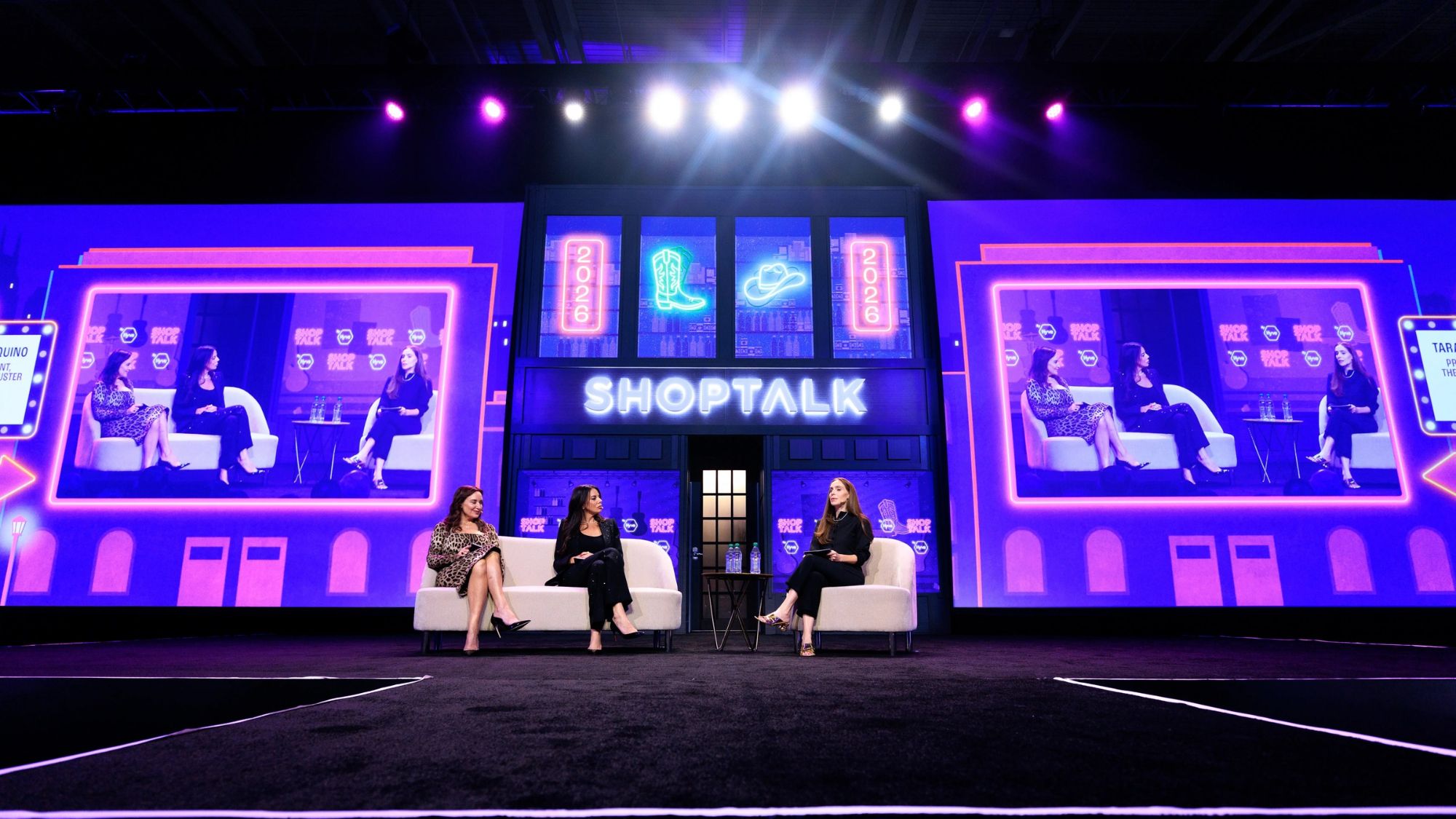
At Shoptalk Nashville, sessions featuring Tara Simon and Lisa Sequino of Estée Lauder, as well as Amiee Bayer-Thomas, Chief Retail Officer at Ulta Beauty, offered two perspectives on the changing retail landscape.
Estée Lauder's discussion highlighted how brands can respond to consumer demand, move faster, and connect with shoppers across an increasingly diverse range of channels. Ulta Beauty demonstrated how physical stores can serve as much more than points of sale, supporting discovery, services, fulfillment, and digital commerce.
Together, their insights point to a broader shift: retail is no longer a collection of separate channels. It is a connected customer journey, and the quality of the connections can be as important as the individual touchpoints.
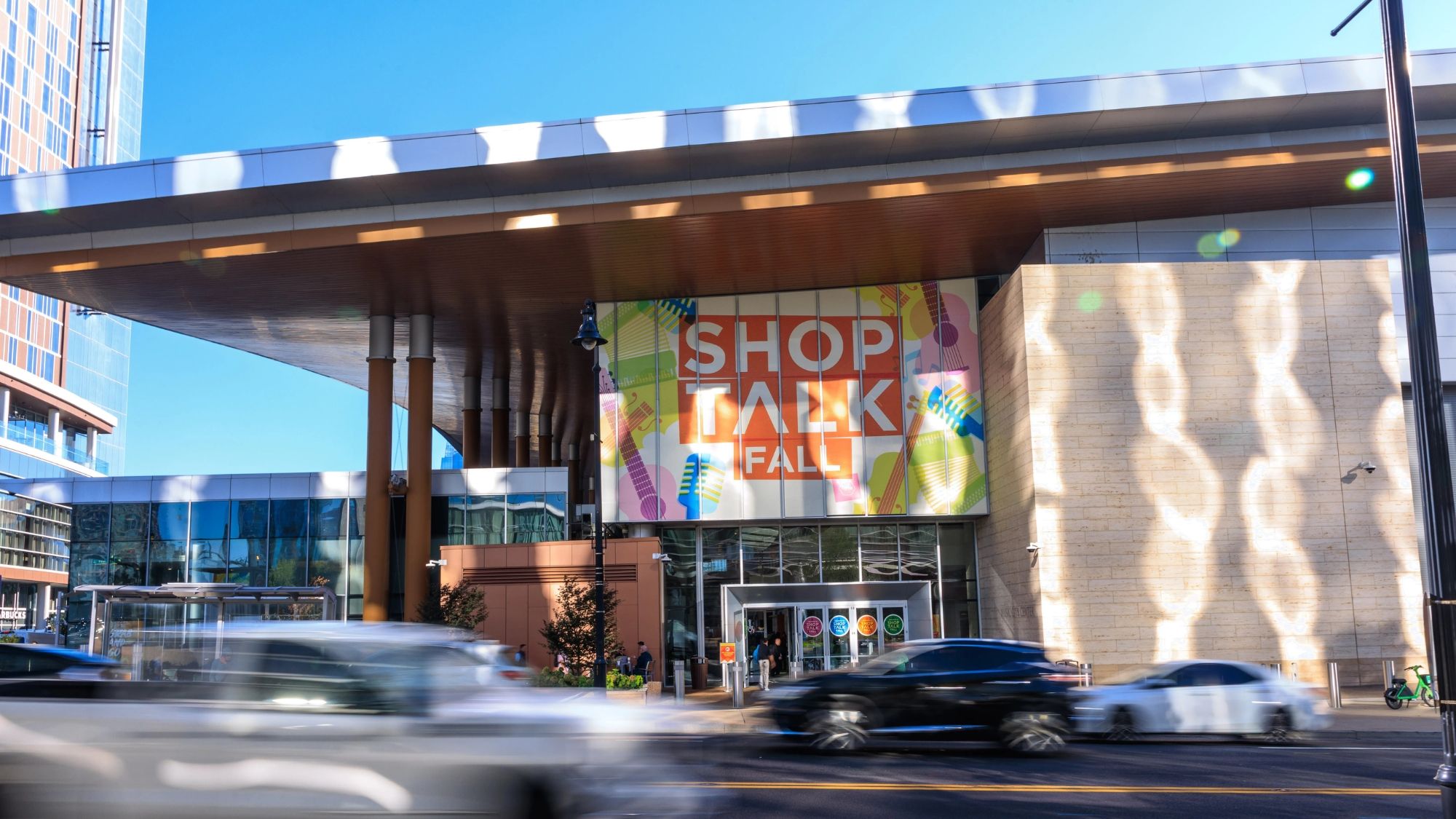
Shoptalk Fall 2026: Nashville Retail Event
1. Channels are becoming demand amplifiers, not competitors
One of the most consequential insights from Estée Lauder's session was that retail channels don't always compete for the same sale. They can create demand for one another.
Consider how a beauty customer might discover a product through a TikTok creator, visit Sephora or Ulta to experience it in person, consult online reviews, and eventually purchase through Amazon or another retailer
Each channel contributes something different. Social content generates awareness. A physical store offers hands-on experience. Reviews help reduce uncertainty. Ecommerce provides a convenient path to purchase. The transaction may happen in one place, but the decision can be shaped by several others.
Estée Lauder's discussion of its MAC × Sephora partnership illustrated another side of this principle: channel strategy should respond to consumer behavior, not simply follow an established distribution plan. Consumer demand for MAC at Sephora helped motivate the partnership.
What this means for retailers
When every channel is evaluated only by its direct sales, businesses risk overlooking the value it creates elsewhere in the journey. A social campaign might influence in-store purchases. A store visit might lead to an online order. Product reviews generated after a purchase might influence the next customer's decision.
This doesn't mean every channel investment will automatically produce incremental growth. It means retailers need a broader way to evaluate performance.
Instead of asking only, “How much revenue did this channel generate?” brands should also ask:
- How does this channel influence discovery and purchase intent elsewhere?
- Where do customers move between channels, and where do they encounter friction?
- Are we measuring the complete journey or only the final conversion?
The strategic opportunity is to build a retail ecosystem in which channels reinforce one another rather than operate as disconnected businesses.
2. Physical stores are becoming part of the digital commerce engine
Ulta Beauty offered a powerful counterpoint to the idea that ecommerce makes physical stores less relevant.
According to the figures shared during the session, more than 80% of Ulta's volume comes through its 1,500-plus stores. Those locations also play a major role in ecommerce fulfillment, with ship-from-store, buy online, pick up in store (BOPIS), and same-day delivery supporting more than half of ecommerce order fulfillment.
The store is no longer simply where a customer goes to complete a transaction. It can also be where they discover a product, receive expert advice, experience a service, collect an online order, or have an order fulfilled.
Ulta's investment in experiential retail reinforces this shift. The company reported approximately 40,000 in-store events in a single quarter, alongside services and activities designed to make physical locations destinations for discovery and engagement.
These examples point to an important change in the role of the store: physical retail is becoming both a customer experience platform and an operational asset for digital commerce.
What this means for retailers
The value of a store cannot always be captured by measuring sales made at the register. A location may influence online purchases, reduce delivery time, provide convenient pickup, introduce customers to unfamiliar products, and strengthen relationships through personal service.
This calls for a more integrated approach to retail operations. Store teams, ecommerce teams, marketing, inventory management, and fulfillment need to work toward a shared customer experience rather than optimize their own channels in isolation.
It also changes how retailers should think about investment. The right question isn't necessarily whether to open more stores or shift more resources online. It's how each physical and digital touchpoint can serve a clear purpose within the wider journey.
When customers move between discovery, experience, purchase, and fulfillment, the transition should feel intentional—not like they've entered a different business.
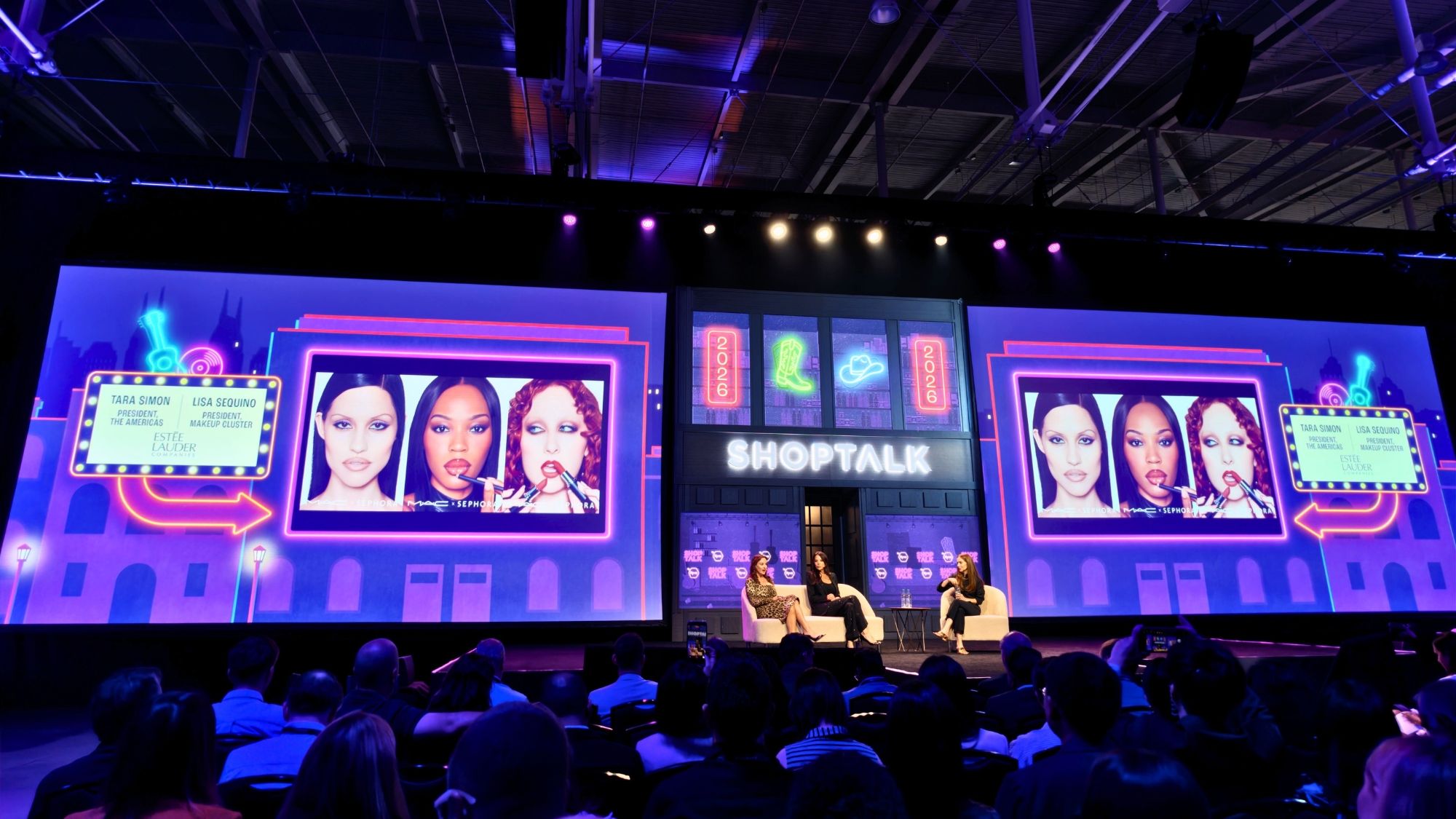
Shoptalk Fall 2026: Tara Simon and Lisa Sequino of Estée Lauder
3. Speed is no longer just an internal advantage. It shapes the customer experience.
The MAC × Sephora launch provides a useful example of organizational agility in action. The initiative was planned and executed in nine months, compared with the typical 18–24-month timeline discussed in the session.
The lesson isn't simply that faster launches are better. It's that organizations can respond to market opportunities more effectively when the right people are involved, decision-making authority is clear, and teams can work across traditional organizational boundaries.
Estée Lauder's broader discussion also connected agility with brand building. Brands must adapt their products, pricing, channels, merchandising, and cultural relevance as consumer expectations evolve.
The Kilian Paris example illustrated how a brand can explore a lower-priced product tier to reach younger consumers while retaining its luxury positioning. Growth doesn't always require abandoning what makes a brand distinctive. Sometimes it requires finding a new way to make that identity accessible.
Ulta's data-driven approach to store expansion adds another dimension. Its large loyalty membership base helps the company understand customer behavior and evaluate where new stores and localized experiences may have the greatest potential.
Together, these examples show that agility isn't simply about working faster. It's about making better decisions sooner and translating those decisions into relevant customer experiences.
What this means for retailers
Slow decisions can delay products customers want. Disconnected teams can create inconsistent promotions or inventory information. Rigid channel strategies can make it harder for customers to shop in the ways that suit them.
Retailers can respond by shortening decision-making cycles, connecting customer data across functions, and giving teams the authority to act within clear strategic boundaries. But speed alone isn't the goal. Moving quickly in the wrong direction only creates more work.
The real advantage comes from combining speed with customer insight: recognizing a meaningful change in behavior, deciding how to respond, and making that response available to customers without unnecessary delay.
4. A consistent brand promise requires different experiences across channels
As brands expand across social commerce, marketplaces, retail partners, and their own ecommerce sites, they face a balancing act: how can they adapt to each platform without losing their identity?
Estée Lauder's discussion of Amazon and TikTok Shop highlighted the importance of protecting brand heritage and recognizable brand codes while adapting to how consumers discover and engage with products in different environments
That distinction matters. A brand's identity should remain recognizable, but the way it communicates, presents products, and helps customers make decisions may need to change by channel.
Ulta's Gen Alpha figures offer a complementary perspective. The session cited approximately 78% of Gen Alpha consumers discovering and researching beauty online, while 77% go into stores to purchase, experience, interact with products, and discover more.
These figures illustrate why a digital-first discovery habit doesn't necessarily eliminate the desire for physical experiences. Consumers may expect both—and move between them naturally.
What this means for retailers
Consistency should be measured by whether the brand delivers on the same promise, not whether every touchpoint looks and behaves identically.
A customer may encounter a product through a creator, learn more from a product page, ask a store associate for advice, and later contact customer support about an order. Each interaction will look different, but the customer should still experience the same underlying values: clarity, reliability, convenience, and care.
This requires more than consistent branding. It requires consistent information, coordinated processes, and clear ownership of the customer experience across teams and partners.
The challenge is especially significant after checkout, when fulfillment, delivery, returns, and customer support may involve different systems and teams. A compelling product experience can lose its impact if the order arrives damaged, the return process is confusing, or a customer cannot get help when they need it. A brand promise is only as strong as the experiences that support it.
5. The customer journey doesn't end at checkout
The final implication: if discovery, purchase, physical experience, and fulfillment are connected, the post-purchase experience cannot be treated as an isolated operational function.
Retailers invest heavily in getting customers to discover products, evaluate their options, and complete a purchase. But the relationship continues after the transaction.
Delivery is a moment of truth. So are product issues, returns, exchanges, protection claims, and customer support. These moments can influence whether a customer feels confident in the brand, recommends it to others, or chooses to shop there again. They can also shape future discovery. Reviews and customer-created content often become part of the information other shoppers use to evaluate a product. A post-purchase experience can therefore influence not only retention, but also the next customer's path to conversion.
This creates a feedback loop: Customer experience → reviews and word of mouth → future discovery → purchase decisions → customer experience
The post-purchase stage is not the end of the journey. It can become the beginning of the next one.
What this means for retailers
Merchants should evaluate the experience beyond conversion with the same care they apply to acquisition and checkout.
Useful questions include:
- Do customers know what to expect after placing an order?
- Can they get clear, timely updates when an issue occurs?
- Are returns, exchanges, and claims easy to understand and navigate?
- Can teams identify recurring problems from customer feedback and use those insights to improve the experience?
- Do post-purchase processes reinforce the brand promise established before checkout?
These questions connect customer experience with operational performance. Clearer communication and smoother issue resolution can reduce avoidable frustration, while feedback from post-purchase interactions can reveal problems with products, fulfillment, policies, or customer expectations.
This is where the post-purchase experience becomes a strategic consideration—not simply a cost to manage after the sale. At Xcotton, we focus on helping merchants strengthen this part of the journey through post-purchase protection and customer experience solutions. The underlying principle is simple: the experience after checkout deserves the same deliberate attention as the moments that lead to it.
The competitive advantage lies in the Connections
Channels influence one another. Physical stores support digital commerce. Technology works best when it removes friction. Agility helps brands respond to changing demand. And the customer relationship continues long after the transaction.
The next stage of retail growth won't come solely from adding another channel or optimizing a single touchpoint. It will increasingly depend on how effectively retailers connect the entire experience. The future of retail isn't online versus offline. It's a connected journey—from discovery to delivery and beyond.
For merchants, the opportunity is to make every stage work together so that each interaction builds on the last—and gives customers a reason to return.