 Xcotton
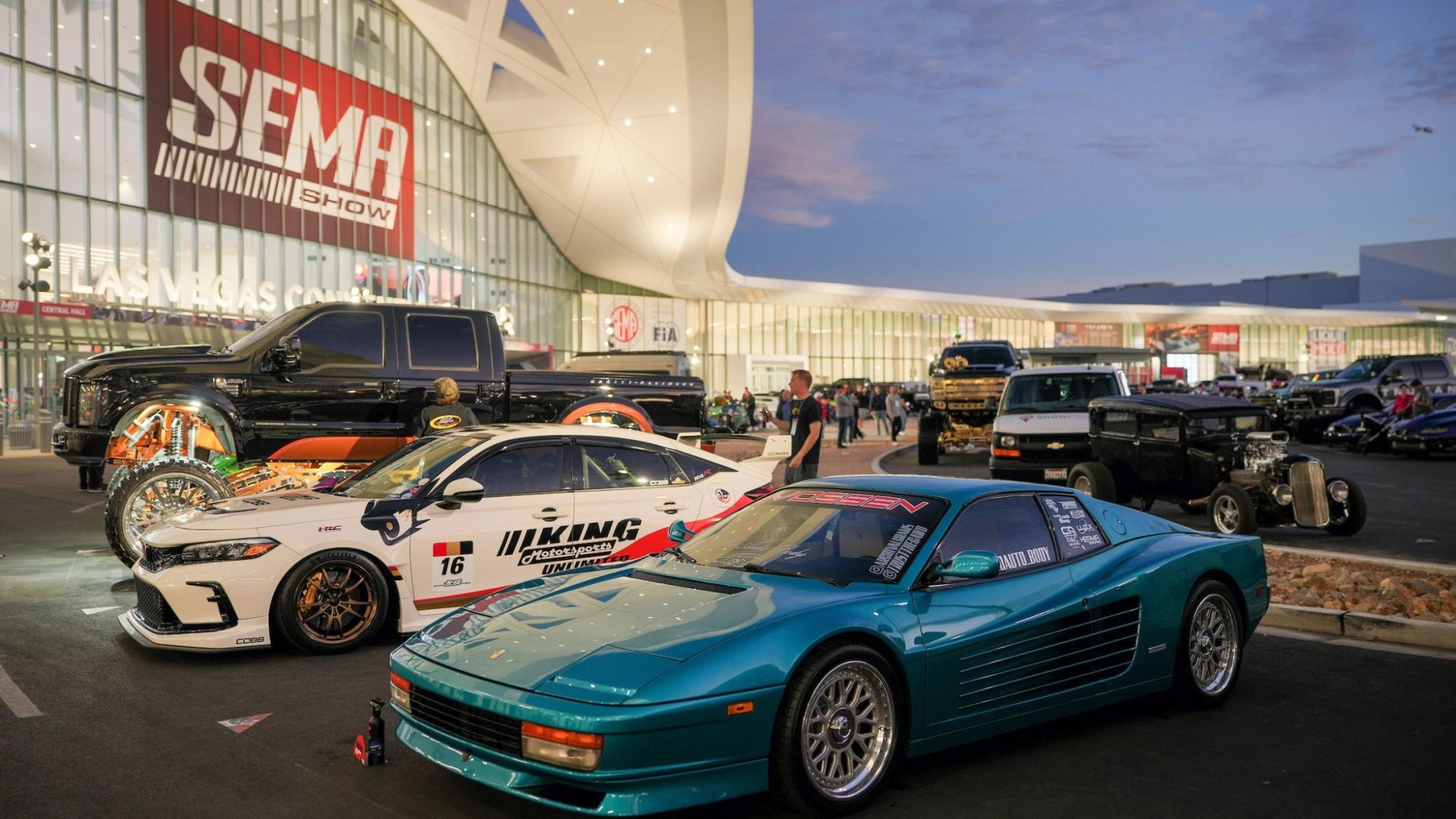
The Las Vegas Convention Center recently hosted the SEMA Show 2026, which ran from November 3 to 6. During that event, the automotive parts and service expo AAPEX was in session.
We love covering these shows because they give us the most up-to-date picture we can get of the state of the industry and where it's headed. This year's show revealed how AI-powered diagnostics and ADAS calibration are the future of auto parts.
In this article, we run through everything you need to know about current themes and trends in the industry: why they matter and how they could ultimately affect your shop.
What was new at this year's SEMA?
Ever since the 1960s, SEMA has had a long tradition of showcasing the latest in automotive technology. In recent years, however, advances in software and the computer industry as a whole have seeped into car manufacturing, transforming the sector
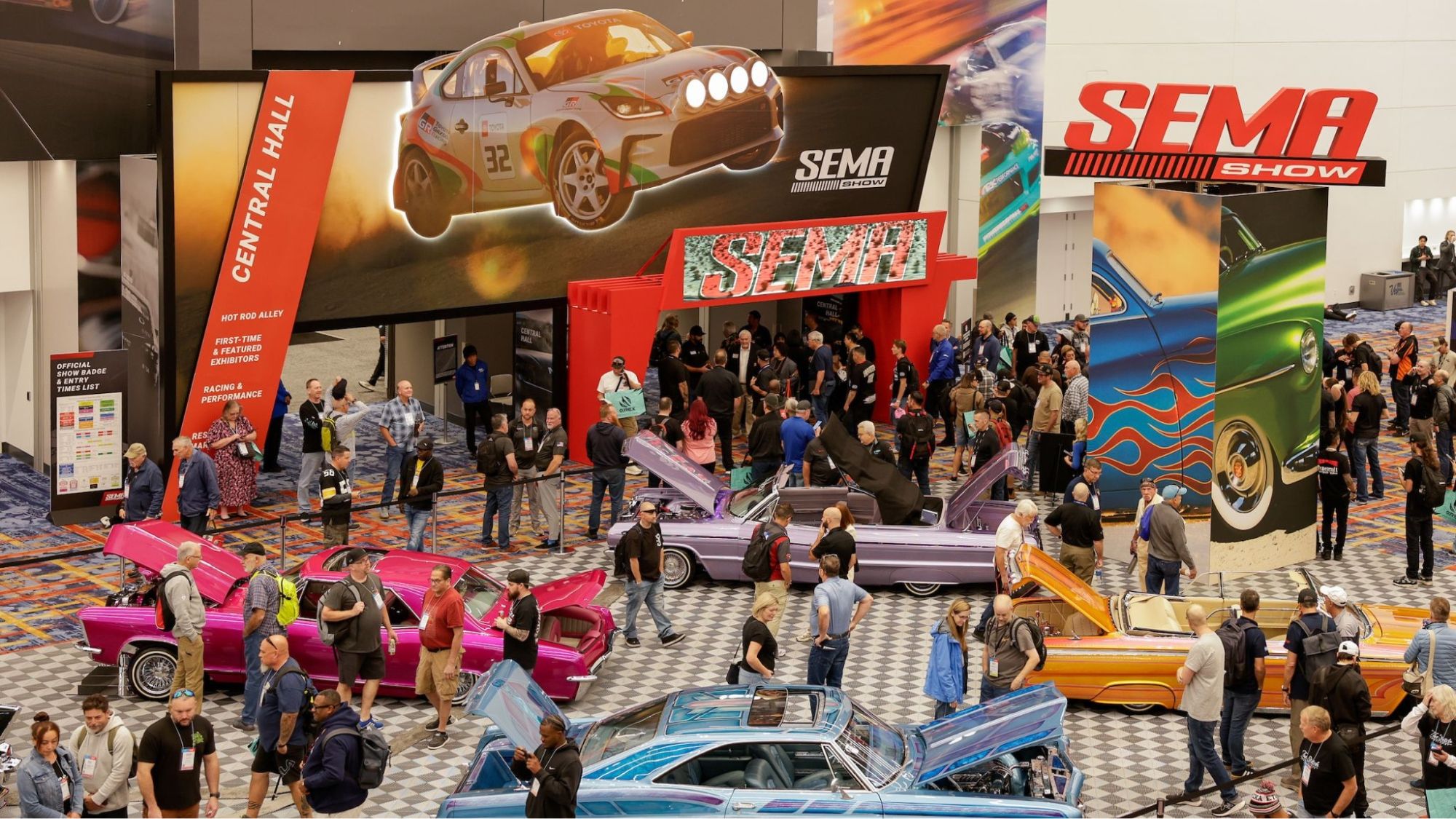
The FutureTech Studio was perhaps the most forward-looking element of the show. It featured over 20 vehicles and a 3-day education program with twenty-one 30-minute sessions. Delegates were treated to various cutting-edge topics, such as hydrogen combustion, advanced vehicle sensing capabilities, ADAS calibration, and fully autonomous driving.
The ADAS showcase was situated next to the collision repair and refinish area and explored how various modifications and repairs could affect manufacturer-standard driver-assist sensors. Various brands were involved in the effort, including Rivian, Ford, and General Motors, along with technology vendors making significant inroads into the industry, such as Repairify, Hunter Engineering, and Autel.
What was memorable about the showcase was that almost every repair job now involves some sort of vehicle technology. Cars are no longer solely mechanical products.
SEMA Show 2026
The challenges of new powertrains and modifications
Another element worth mentioning at this year's SEMA was the focus on new energy and the challenges that powertrains and modifications pose. The days of manufacturers building solely gasoline or diesel vehicles are now long behind us. Many are constructing all-electric vehicles alongside hybrids and even leveraging alternative technologies like hydrogen. SEMA 2026 put all of these powertrain options on show, highlighting the demands being placed on parts manufacturing, parts workshops, and vehicle repairers.
The most challenging aspect for parts manufacturers is matching parts to new vehicles with new drive trains. Historically, fitting parts to diesel and gasoline vehicles was relatively straightforward because the underlying ICE technology was the same. Electric vehicles and hybrids, however, have fundamentally different parts requirements and need an understanding of electronics to make sure new components fit safely alongside existing ones.
Furthermore, even mechanical parts like suspension, tires, and wheels need to be matched to the vehicle specifications. Because of the battery and sensor requirements, electric vehicles tend to be significantly heavier and more tuned than ICE cars, requiring bespoke setups.
Parts workshops also need to be careful when making modifications. Changing any component, particularly the wheels, can alter how the vehicle's sensors operate and could potentially provide the wrong information to drivers, posing a safety risk.
Alongside this, diagnostic equipment is changing. Parts workshops and suppliers need to have a better understanding of the specific equipment used to test electric vehicles, for example, to check whether the battery is still in a good state of health. This process requires knowing more about the vehicle in detail and providing customers looking to make modifications or changes with the right information.
How AI-powered diagnostics is changing repair jobs
Artificial intelligence is changing how repair jobs work in the industry. Previously, scanning tools would produce a fault code and then leave the rest to the technician, but AI-powered diagnostics can crunch numbers, interpret data, and provide guidance and solutions.
ALLDATA was the standout vendor at this year's SEMA, thanks to its Diagnostic Intelligence technology. The system provides AI assistance with vehicle repair work by telling technicians what might have gone wrong and what they can do to fix it. It lists the diagnostic paths it used and the fix operations it recommends implementing, and can even produce wiring diagrams for more detailed support.
Snap-on's ZEUS platform has its own Intelligent Diagnostics feature that can identify car issues in real time. The system enables technicians to consolidate outputs from a vehicle's sensors into a single view, crunch the numbers and suggest solutions.
For auto parts businesses, accurate diagnostics improves order accuracy. Shops and vehicle owners are less likely to order the wrong parts if they know specifically what's gone wrong, reducing the need to manage returns.
High-quality AI-driven diagnostic solutions can also send information directly to part suppliers to increase the likelihood of selecting the right SKU. This approach improves customer service significantly while reducing administration.
Getting the right part is only the start of a good customer experience. Auto parts merchants also need to make sure orders arrive safely and customers get help when something goes wrong.
Shipping protection and product protection can lower surprise costs, build buyer trust, and improve the post-purchase experience long after checkout. As auto parts get more advanced, protecting these purchases matters more. For merchants, product protection and extended warranty options give buyers more confidence when they choose higher-value parts. They also help build trust beyond the first sale.
How ADAS calibration is becoming a part of every job
ADAS calibration is becoming a part of virtually every repair job. Advanced driver assistance systems are almost universal in modern vehicles, offering adaptive cruise control, blind spot monitoring, lane departure warnings, forward collision assist, and emergency braking.
Advanced Driver Assistance Systems calibration requires mechanics to check that vehicle sensors match manufacturer specifications. Small changes in how they work can have profound knock-on effects on how in-vehicle safety functionality operates.
Many vehicle shops use static calibration, with the vehicle standing still and sensors placed around it, while many are now moving toward dynamic calibration, which involves driving the vehicle and checking its responses.
Beyond the sale: building customer confidence with post-purchase protection
As the automotive aftermarket changes, customer expectations change too.
Today’s buyers want more than the right part at the right price. They also want to know their purchase is protected.
For auto parts merchants, post-purchase protection is another way to stand out in a crowded market. Xcotton post-purchase platform helps auto parts brands create a better post-purchase experience with insurance-backed shipping protection, product protection, and extended warranty options.
- Shipping Protection: Help protect eligible orders against loss, damage, and theft during delivery.
- Product Protection: Give customers added peace of mind with coverage for eligible accidental damage and product issues.
- Extended Warranty: Offer extra coverage beyond the maker's standard warranty so customers can protect their purchase for longer.
When protection is part of the buying process, merchants can cut post-purchase concerns, open new revenue streams, and build long-term customer trust.
With Xcotton, customer care does not end at checkout.
What all of this means for auto repair parts businesses
Ultimately, SEMA 2026 was interesting from the perspective of auto parts businesses. Several lessons came out of the event.
One was the fact that companies now need to properly check fitment details for cars. Changing parts even slightly away from those specified by the manufacturer can profoundly affect sensor outputs and safety.
Another was the requirement for accurate information. Part suppliers need clear product data to know which items to send to businesses or consumers, reducing the risk of returns. The growth of ADAS calibration systems means that demand is shifting, and part suppliers need to keep up with the trends.
Ultimately, SEMA 2026 taught part suppliers that aftermarket modifications are no longer only about aesthetics and performance. They also have to take into account the radically changing technological dynamics in the industry.



Plan big wins with Xcotton post-purchase platform
Boost sales, retention and customer loyalty